jewelry production tolerance: the business decision
A CAD render can look perfectly sharp and symmetrical, but finished jewelry is made through real production steps. Printing, casting, cleaning, filing, polishing, stone setting, plating, and hand finishing can all create small differences.
The decision is which differences are acceptable production tolerances and which differences are quality problems. This should be discussed before bulk production begins.
- jewelry production tolerance decision check: Use CAD for planning and the sample for final approval.
- jewelry production tolerance buyer check: Define which dimensions are critical.
What to send before quoting jewelry production tolerance
Define critical dimensions, ring size, stone security, logo readability, edge softness, surface finish, plating tone, and comfort expectations before approving the sample.
The factory needs to know what matters most to the design. A slight polish softness may be acceptable, while a crooked stone, wrong size, weak clasp, or unreadable logo may not be acceptable.
A stronger brief for jewelry production tolerance separates fixed requirements from flexible choices. If use CAD for planning and the sample for final approval the factory can flag that early, protect the sample stage, and avoid discovering the problem only after CAD or casting has already started.
- jewelry production tolerance quote brief: Expect small polish and casting differences where acceptable.
CAD, samples, and production checks for jewelry production tolerance
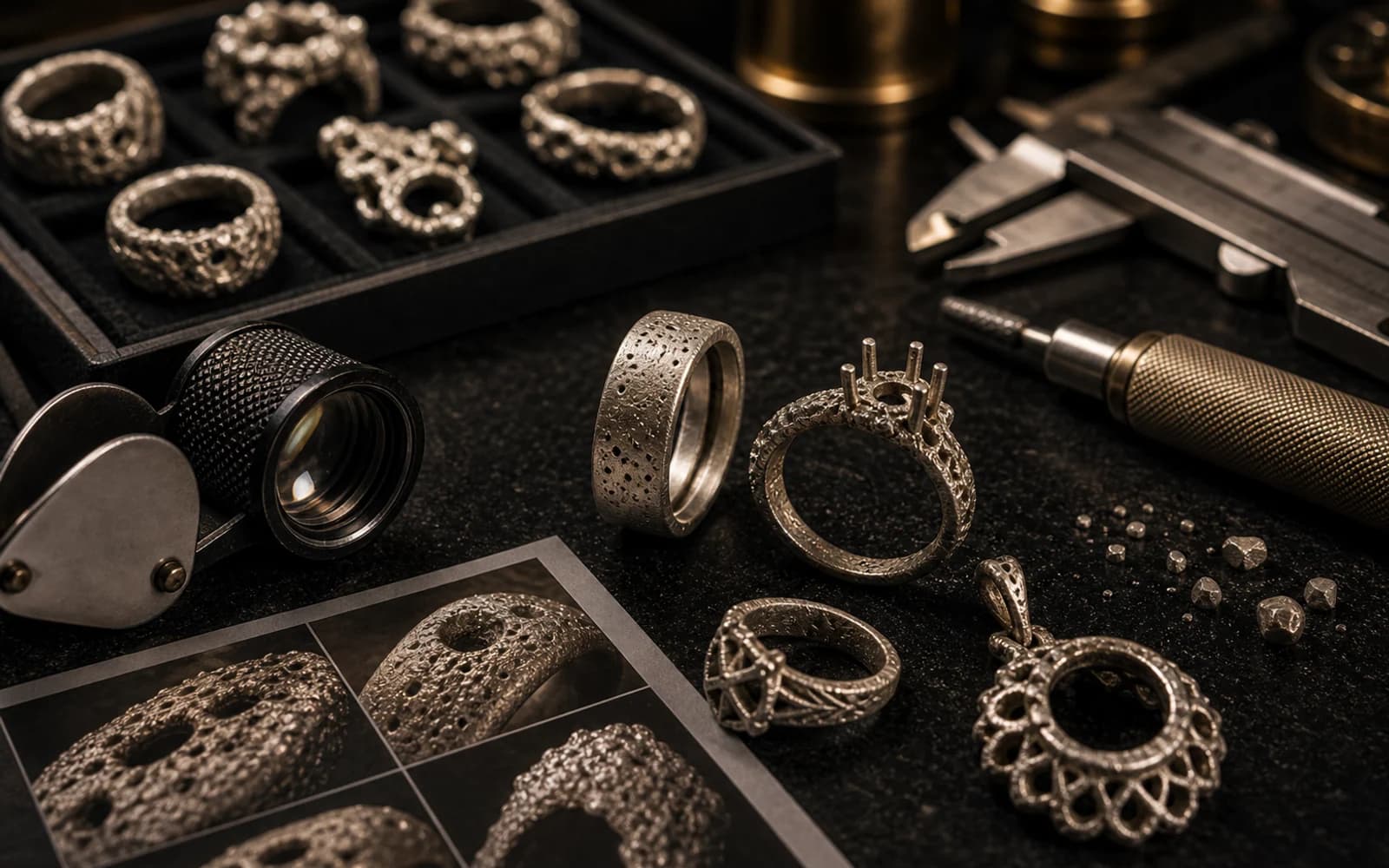
CAD is used for planning, but metal behavior and finishing change the final surface. Very tiny details can soften after casting and polishing, and stone seats may need small adjustments for secure setting.
The physical sample is the real-world approval standard. Use it to confirm appearance, weight, comfort, surface, and whether the piece still matches the approved design direction.
- jewelry production tolerance sample approval: Reject crooked stones, wrong sizes, weak clasps, or rough surfaces.
Cost, MOQ, and scaling logic for jewelry production tolerance
Tighter tolerances can increase cost because they require more inspection, more controlled finishing, and sometimes additional sample work. Brands should define precision where it affects quality.
For bulk orders, tolerances should be documented so every piece is judged against the same standard. This protects the factory and the client from subjective approval problems.
- jewelry production tolerance scaling record: Document tolerances before bulk production.
Quality risks to review for jewelry production tolerance
The risk is expecting every finished piece to look like a render in microscopic detail. That expectation can create conflict unless the brand defines what must be exact.
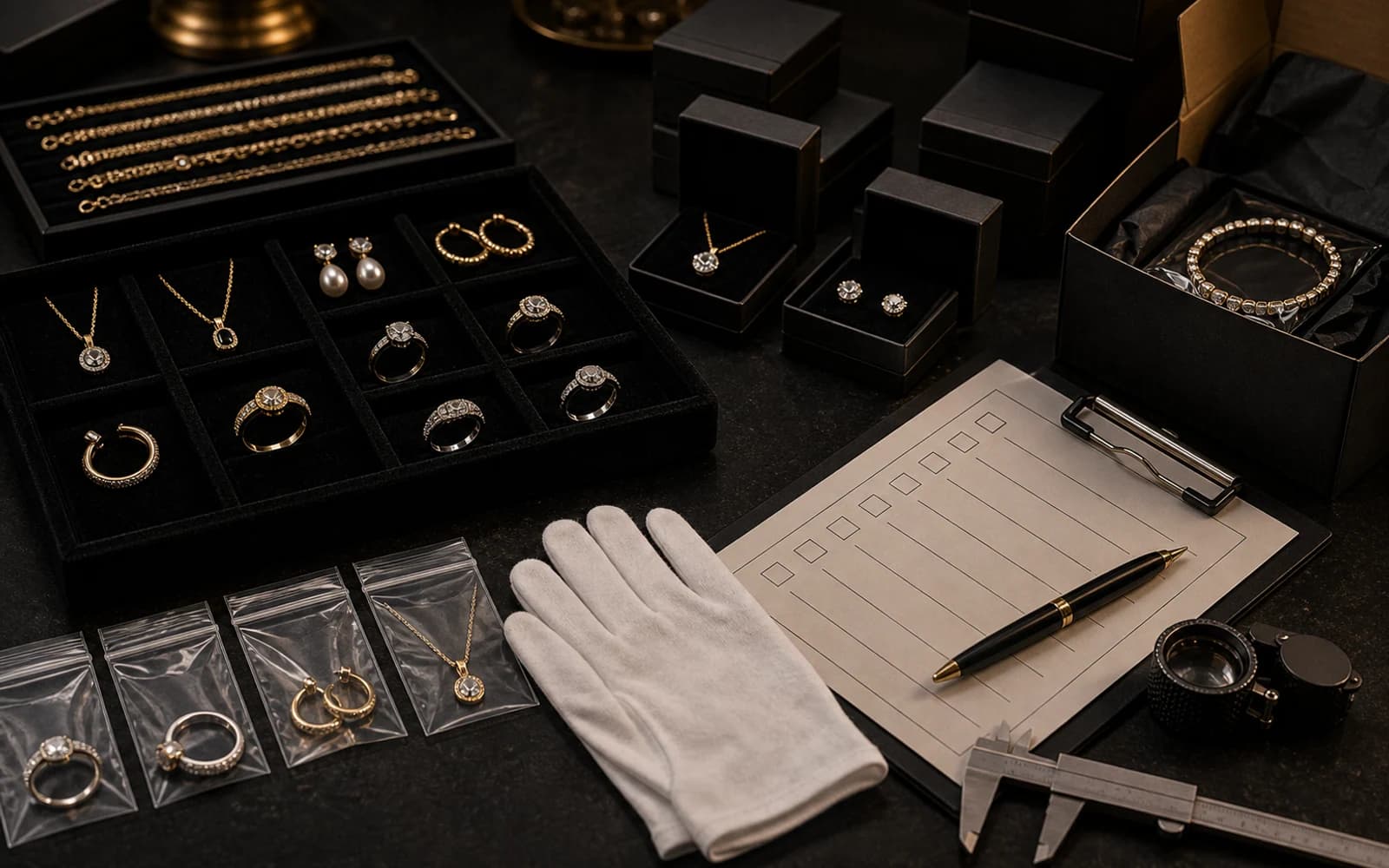
QC should separate acceptable variation from defects. Check ring size, stone security, polish, plating, symmetry, comfort, and logo clarity against the approved sample and tolerance notes.
For jewelry production tolerance, the approval record should make the pass and fail points visible before any larger order is released. Use close-up photos, short videos, and written notes to confirm use the approved sample as the inspection reference, then keep those records as the comparison standard for future reorders.
- jewelry production tolerance QC checkpoint: Use the approved sample as the inspection reference.
DMJ production note for Jewelry Production Tolerances: Why Finished Pieces Can Differ Slightly From CAD
DMJ Concept uses CAD planning and sample review in Bangkok to help clients understand where production tolerances may appear and how to control the details that matter most.
For jewelry production tolerance, the Bangkok handoff should start with use CAD for planning and the sample for final approval and then confirm define which dimensions are critical. DMJ Concept can connect that brief to CAD review, sample planning, finishing, QC, packaging, and reorder documentation before production moves forward.
- DMJ Concept production review: connect jewelry production tolerance with CAD, sampling, finishing, and QC.
- DMJ Concept Bangkok workflow: document jewelry production tolerance approvals for quality control decisions before reorder planning.
- DMJ Concept client handoff: keep jewelry production tolerance files, sample photos, and production notes together.
Need help defining jewelry production tolerances?
Send DMJ Concept your CAD, sample photos, and quality concerns. We can help review what should be exact and what may be normal production variation.
Frequently Asked Questions
Why can finished jewelry look slightly different from CAD?
Finished jewelry goes through printing, casting, polishing, stone setting, plating, and hand finishing, which can soften or adjust small details.