Collect references with notes
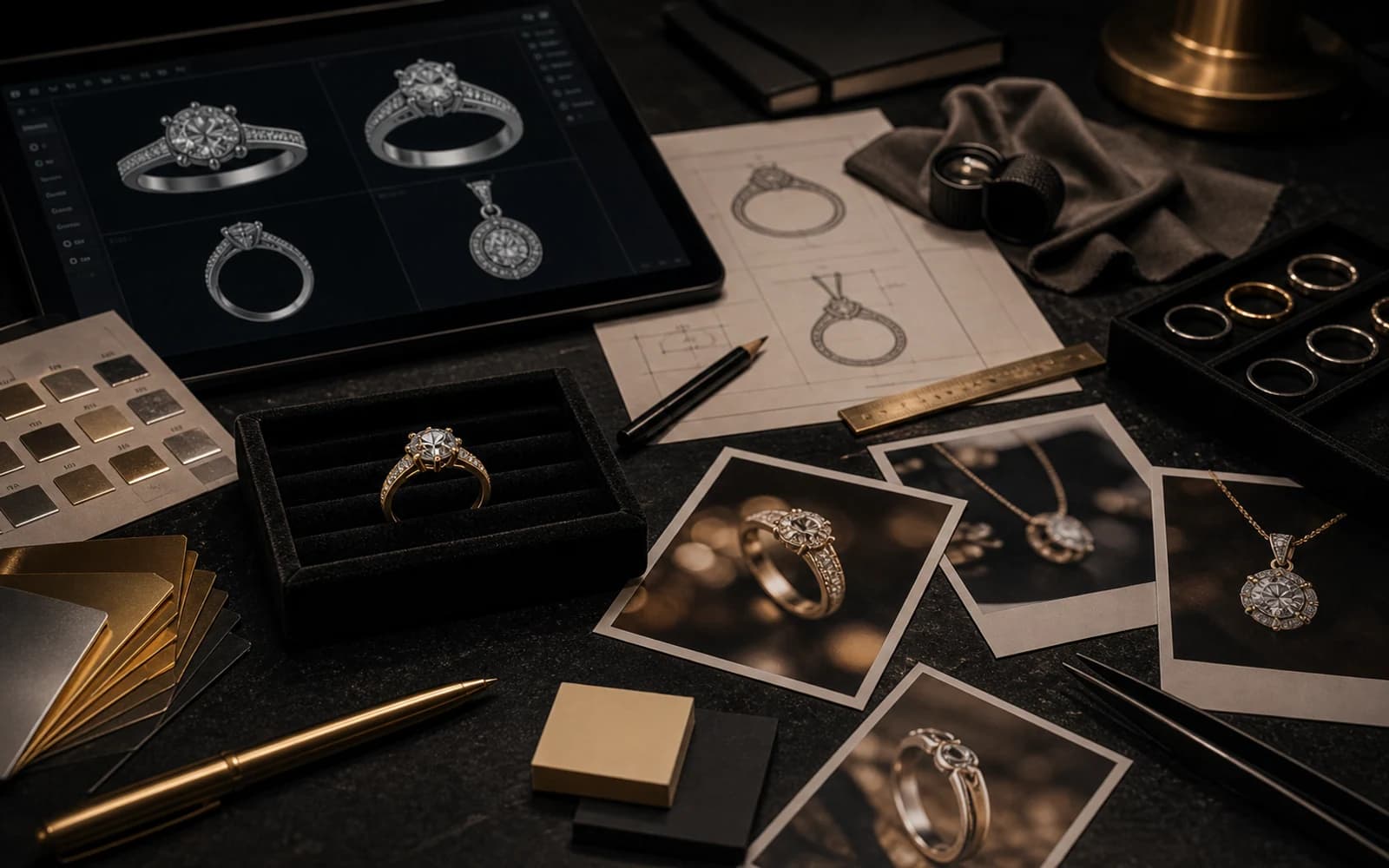
References are most useful when they come with short notes. Instead of sending ten images without context, explain which image shows the shape, which shows the stone layout, which shows the finish, and which should not be copied.
This makes the first production conversation more precise and reduces the risk of discussing the wrong detail.
Define the production stage
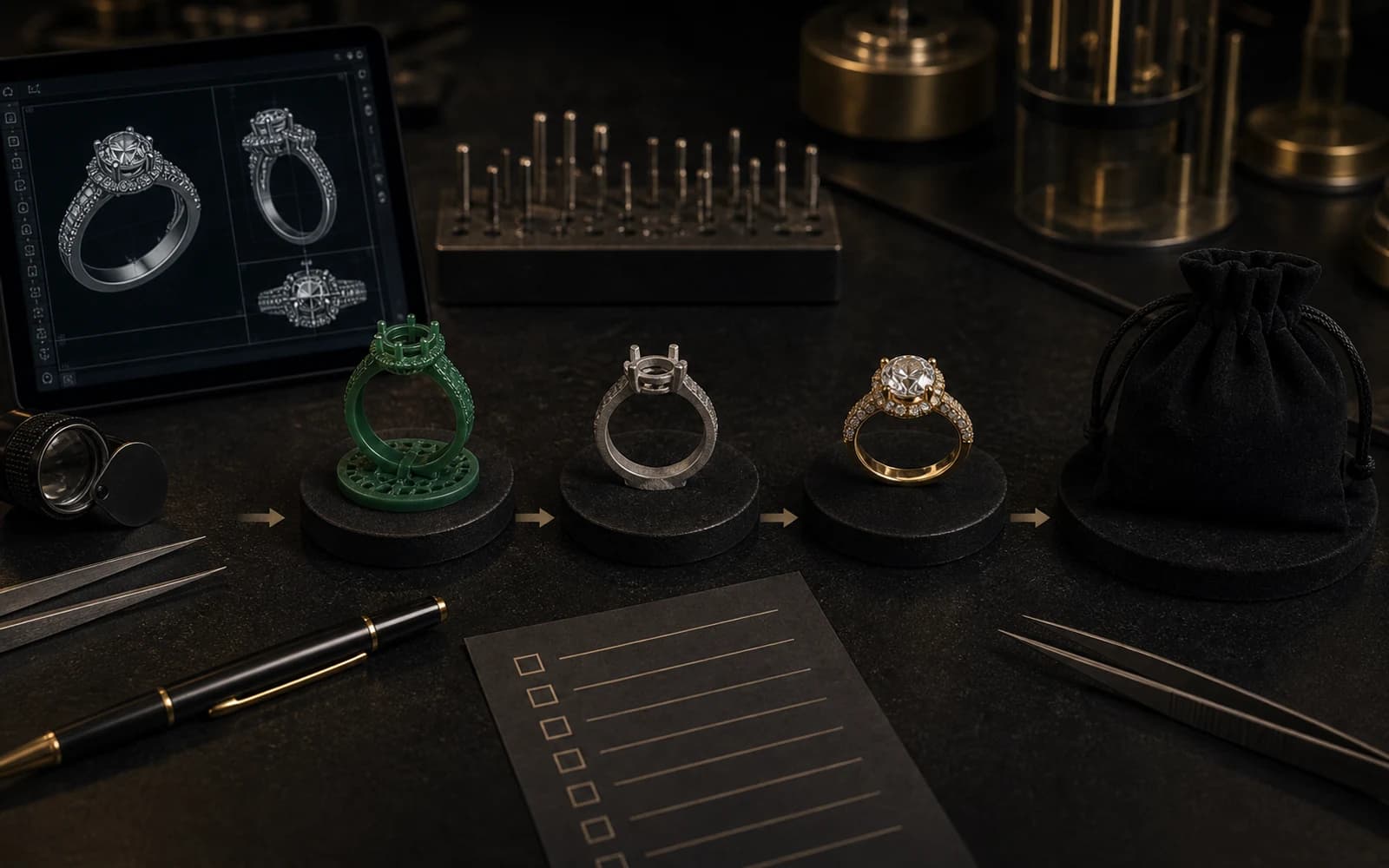
A factory can respond more clearly when it knows whether the project needs concept development, CAD, sampling, casting, polishing, plating, stone setting, enamel, or bulk production.
If you do not know the stage yet, say that. A good first brief can explain the idea and ask which step should come first.
- State whether the project is one piece, a sample, or a collection.
- Mention preferred material or ask for material advice.
- Share target sizes, stone ideas, and finishing direction when known.
Ask questions that affect production
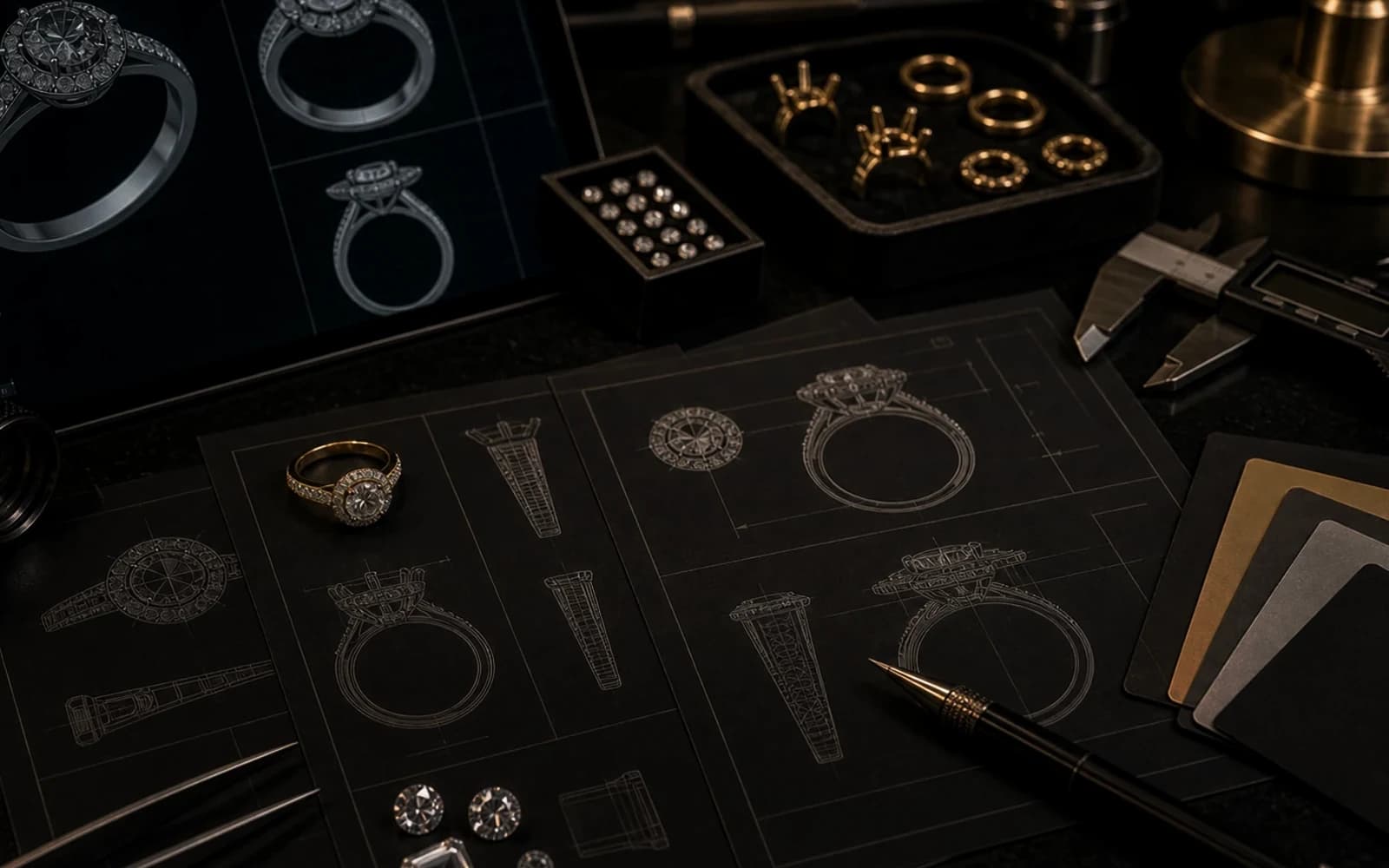
Useful questions focus on decisions that change the result: material, scale, stone size, plating, CAD review, sample approval, and final quality checks.
The goal is not to know every manufacturing detail in advance. The goal is to give enough context for the factory to guide the next step responsibly.
DMJ production note for How to Prepare a Jewelry Idea for Production
For "How to Prepare a Jewelry Idea for Production", DMJ Concept applies this production lens: For client projects and wholesale jewelry Thailand orders, DMJ Concept tries to make the process predictable. The client should understand what happens at design, CAD, sample, production, plating, stones, packaging, and QC stages before committing to a bigger run.
What to send when the idea is still rough
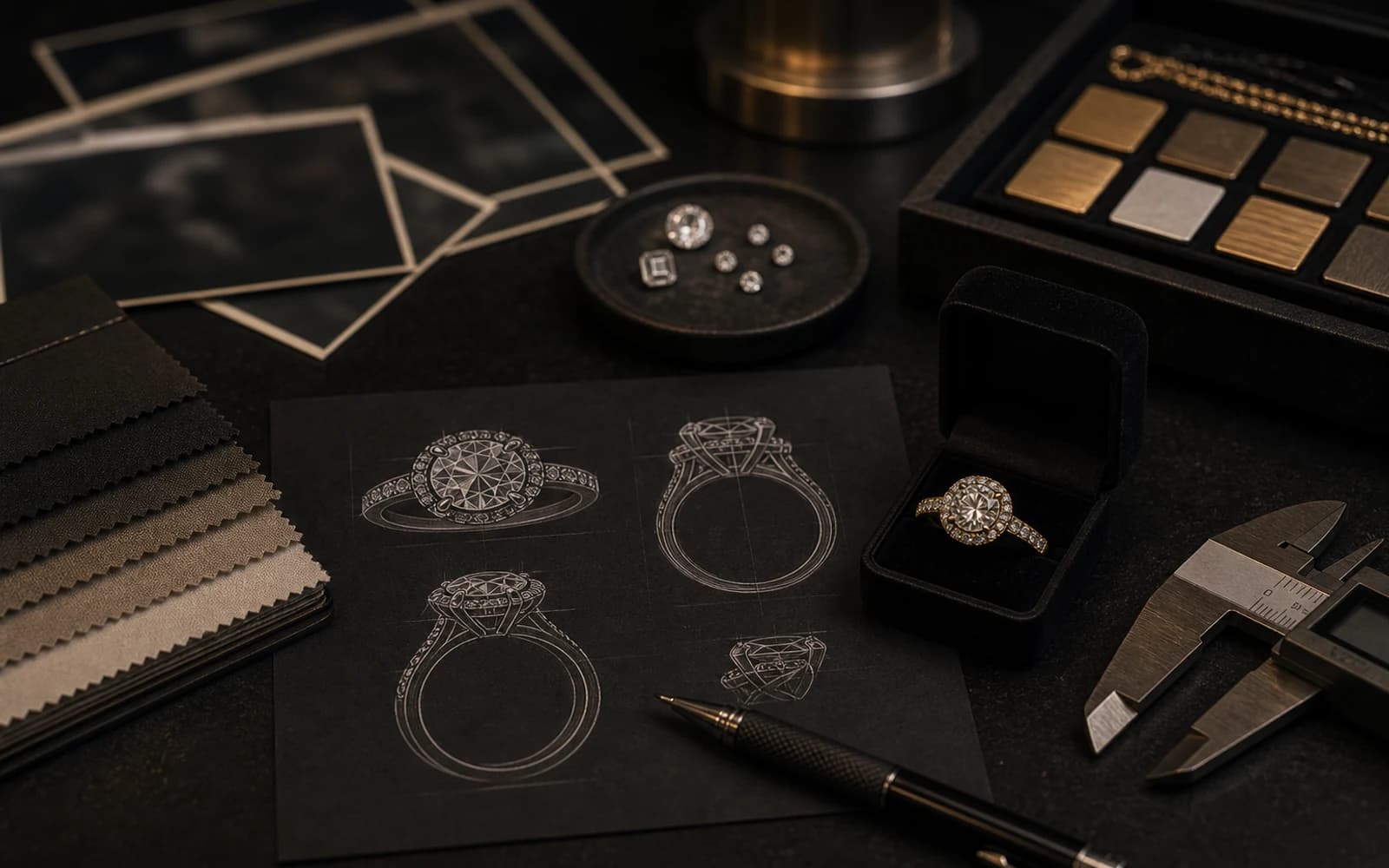
A rough idea can still be useful if it shows direction. Send photos, sketches, notes, size expectations, preferred material, stone ideas, finish examples, and the reason the piece matters.
The goal is to let the factory understand the concept before making technical decisions. From there, DMJ Concept can help turn the idea into CAD, sample making, and a production plan.
- Send references and explain what each one shows.
- Name the parts that must stay and the parts that can change.
- Share budget direction before expensive details are developed.
How preparation helps the final piece feel better
Good preparation protects both the look and the feeling of the finished jewelry. Details such as weight, edge comfort, chain length, ring height, stone size, and clasp position affect whether the piece is enjoyable to wear.
This is why a factory should ask practical questions before production. The goal is not only to make the piece look like a reference image, but to make it work for the person who will wear or sell it.
- Mention how and when the jewelry will be worn.
- Ask for technical feedback before sample making.
- Use the sample to test comfort and proportion.
Frequently Asked Questions
Can I contact DMJ Concept without a CAD file?
Yes. A concept, sketch, reference image, or production question can be enough to start the conversation.